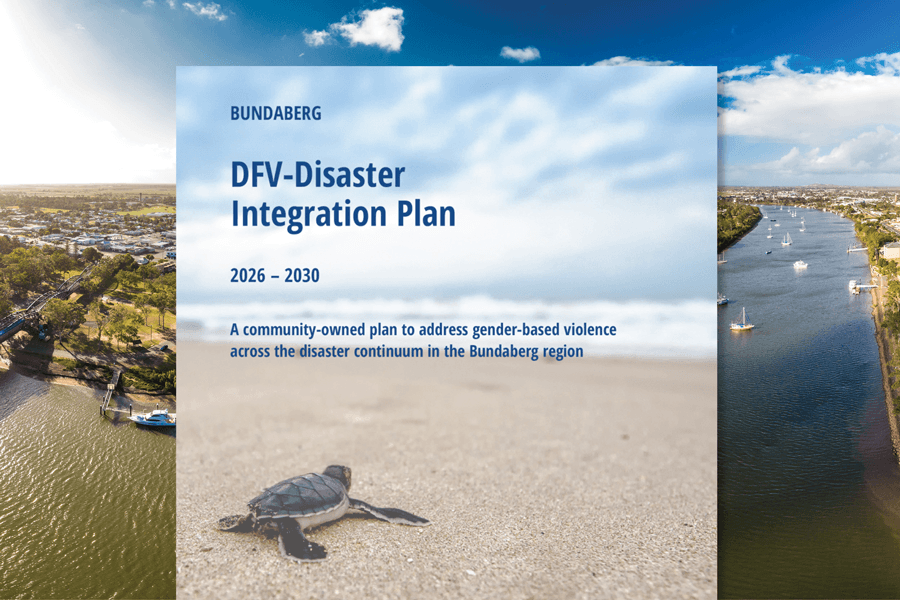
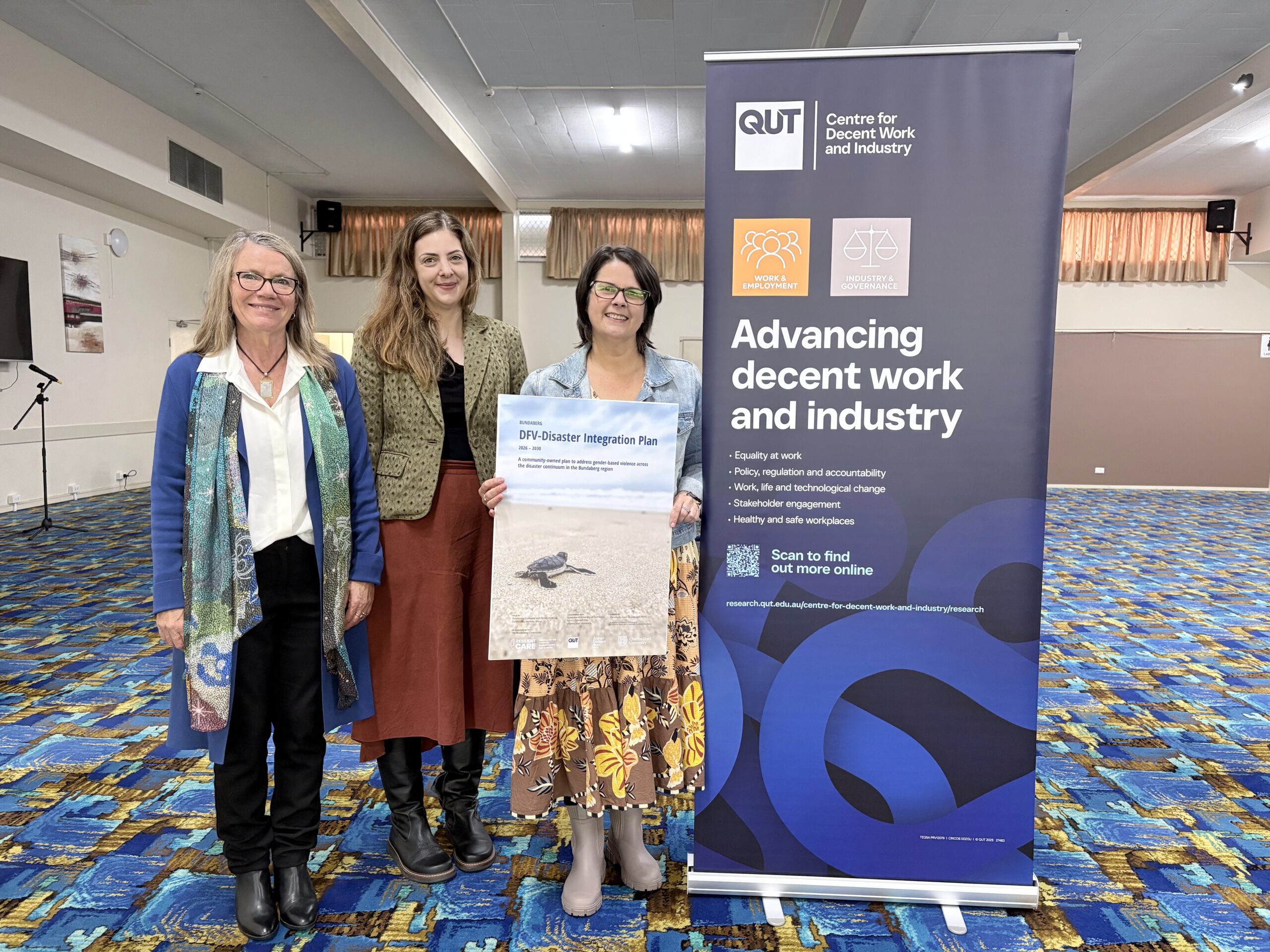
We’re excited to share that the community-owned Bundaberg DFV-Disaster Integration Plan 2026 – 2030 to address gender-based violence before, during and after disasters was launched today at a community event.
The event was attended by community members, researchers and stakeholders involved in the plans co-development, including CCQ’s Regional Manager for Wide Bay Jason Scadden-Rushton.
The plan has been developed through the Queensland University of Technology-led project, Building Gender-Sensitive Disaster Resilience, in partnership with Charles Sturt University and Attract Connect Stay, working alongside the Bundaberg Domestic and Family Violence Community Working Group.
This has been a Resilient CARE grant-supported project, funded by Country to Coast Queensland (CCQ) through the Australian Government’s PHN program.
CCQ CEO Julie Sturgess has said how pleased we are to support local, evidence-informed work that helps communities plan for health and wellbeing risks before, during and after disaster events.
“Disasters can increase pressure on people, families and communities, and make it harder for people at risk to get the right support at the right time.
“We know disasters don’t affect everyone equally. For people experiencing family and domestic violence, extreme weather events can increase isolation, disrupt access to services and make it harder to seek help.
“That is why CCQ invests in work that brings together evidence, local knowledge and community voices, so local systems are better equipped to recognise risk early and respond in ways that reflect the needs of their own community.
“This work also helps ensure people who are often overlooked are meaningfully included in planning and support before, during and after disasters.”
Project lead Associate Professor Christina Malatzky from QUT said the plan reflected the knowledge and commitment of the Bundaberg community.
“This is about the community owning the plan, not researchers telling people what to do. Our role is to bring the best available evidence and work alongside the community to shape what that looks like on the ground in Bundaberg.
“The research has brought together an extraordinary range of local knowledge and commitment, and we are proud to be handing a plan back to this community that genuinely belongs to them.”
For enquiries, including requesting a copy of the plan, project, please contact Bundaberg Domestic Family Violence Working Group Member Gayle Reynolds: [email protected]
We know disasters don’t affect everyone equally. For people experiencing family and domestic violence, extreme weather events can increase isolation, disrupt access to services and make it harder to seek help.
Julie Sturgess, Country to Coast Queensland CEO